Payroll Software for Mining in Australia

Mining businesses in Australia operate in high-risk, shift-driven, and compliance-intensive environments where payroll accuracy is critical. Managing FIFO rotations, enterprise bargaining agreements (EBAs), site allowances, overtime thresholds, superannuation, payroll tax obligations, and Single Touch Payroll (STP) reporting requires payroll software built for industrial workforce complexity, not generic payroll systems.

Better Payroll provides payroll software designed specifically for Australian mining operations. It supports structured pay runs, EBA-aligned wage calculations, roster-based allowances, super tracking, and STP Phase 2 reporting within one secure and scalable system.

Whether you manage a regional site, operate across multiple states, or oversee a national mining workforce, Better Payroll helps maintain payroll accuracy while supporting Australian regulatory compliance and industrial award obligations.

Set up quickly. Process mining payroll with precision every pay cycle.

How Better Payroll Can Transform Your Mining Business

Mining payroll is operationally complex. Employees work under FIFO rotations such as 2:1 or 3:1 cycles, extended 12-hour shifts, and varying enterprise agreements. Manual payroll processing increases risk exposure, especially when allowances, overtime multipliers, and industrial classifications are involved.

Better Payroll centralises payroll operations and automates calculations aligned with industrial workforce structures.

Mining businesses benefit from:

Automated payroll aligned with FIFO rotations and shift rosters

Accurate calculation of site allowances, overtime, loadings, and LAFHA (where applicable)

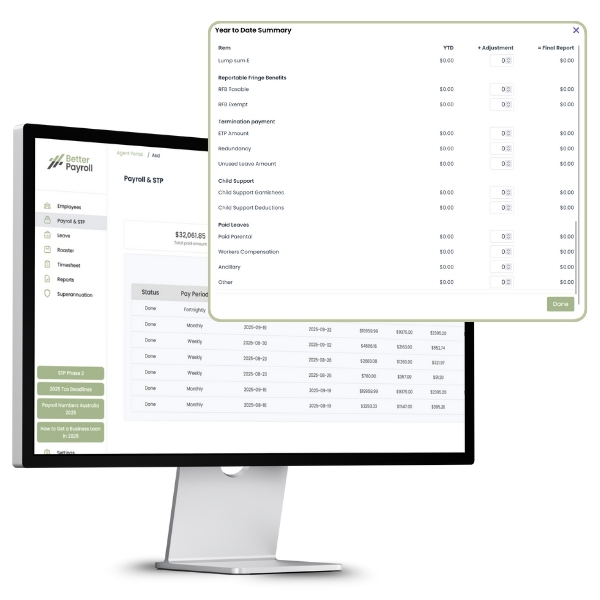
STP Phase 2 reporting submitted directly to the ATO

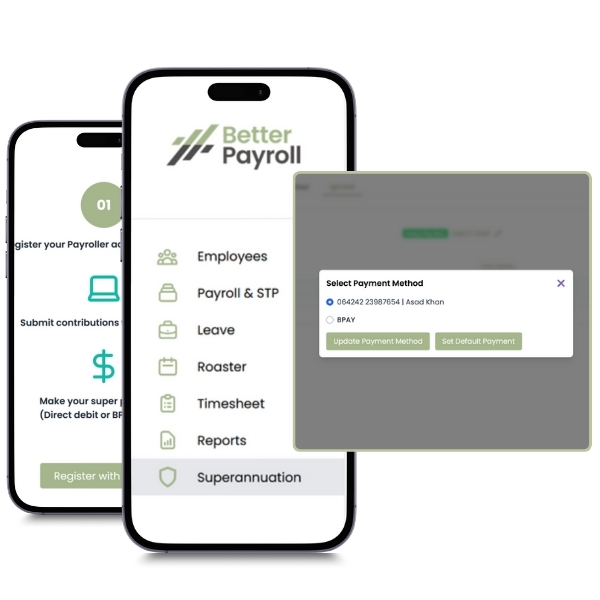
Superannuation tracking across permanent, casual, and contract staff

Structured payroll reporting for operational oversight and audit readiness

EBA and award-aligned wage processing

Automated payroll aligned with FIFO rotations and shift rosters

Accurate calculation of site allowances, overtime, loadings, and LAFHA (where applicable)

STP Phase 2 reporting submitted directly to the ATO

Superannuation tracking across permanent, casual, and contract staff

Structured payroll reporting for operational oversight and audit readiness

EBA and award-aligned wage processing

By reducing manual intervention, mining operators gain greater payroll visibility, risk reduction, and compliance confidence.

Industry Problems & Challenges Faced by Mining Businesses

Mining payroll carries industry-specific complexities that differ significantly from retail, hospitality, or office-based sectors.

FIFO Roster Cycles

Employees working fly-in, fly-out rotations require structured payroll calculations aligned with cycle patterns, travel days, and shift lengths.

Enterprise Bargaining Agreements (EBAs)

Mining businesses often operate under EBAs with negotiated rates, classification structures, and complex allowance rules. Misinterpretation increases financial and compliance risk.

Allowances & Loadings

Workers may receive site allowances, travel payments, meal allowances, hazard pay, and living-away-from-home allowances. These must be calculated correctly each pay cycle.

Multi-State Payroll Tax & Compliance

Mining operations may span multiple jurisdictions, each with differing payroll tax thresholds and reporting requirements.

Compliance & Audit Exposure

Mining employers must comply with Fair Work obligations, PAYG withholding, STP Phase 2 reporting, and superannuation laws under Australian legislation.

Without structured payroll systems, these factors increase administrative burden and operational risk.

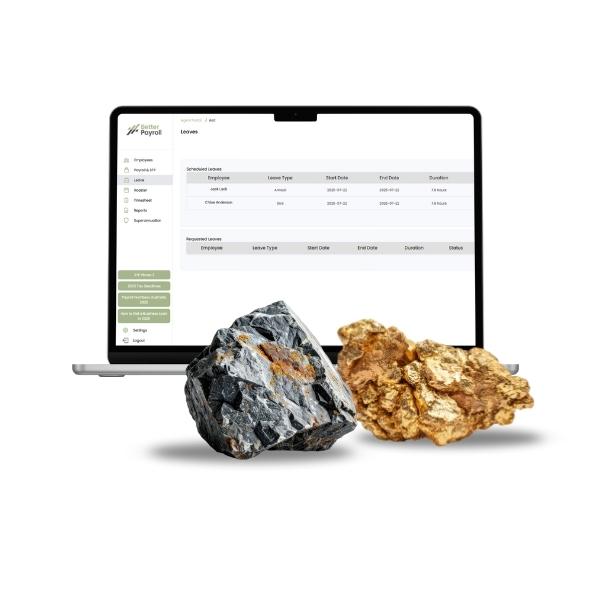
Better Payroll supports structured payroll processing aligned with industrial compliance standards.

Key Payroll Features for Mining Businesses

Better Payroll includes payroll tools tailored for industrial and remote workforce environments:

Submit compliant payroll reports directly to the ATO every pay cycle.

Track employer super obligations and maintain structured contribution records.

Automate PAYG withholding, allowance processing, and repetitive calculations.

Submit compliant payroll reports directly to the ATO every pay cycle.

Track employer super obligations and maintain structured contribution records.

Automate PAYG withholding, allowance processing, and repetitive calculations.

Configure wage classifications, overtime rules, and negotiated agreements accurately.

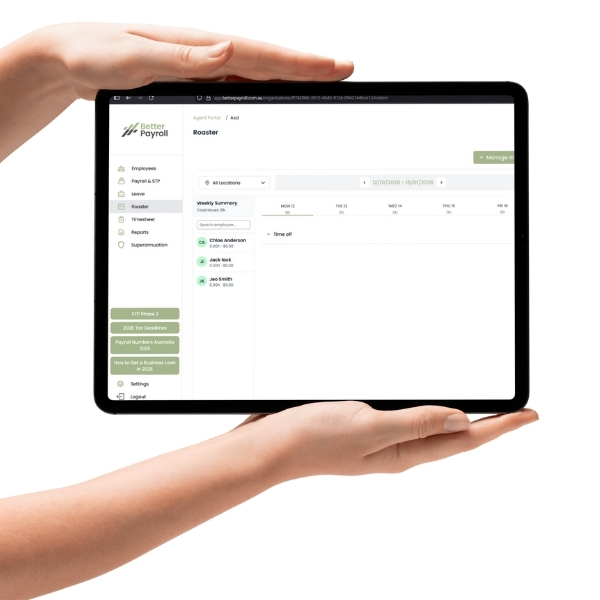
Import roster data, track extended shifts, and process overtime with correct multipliers.

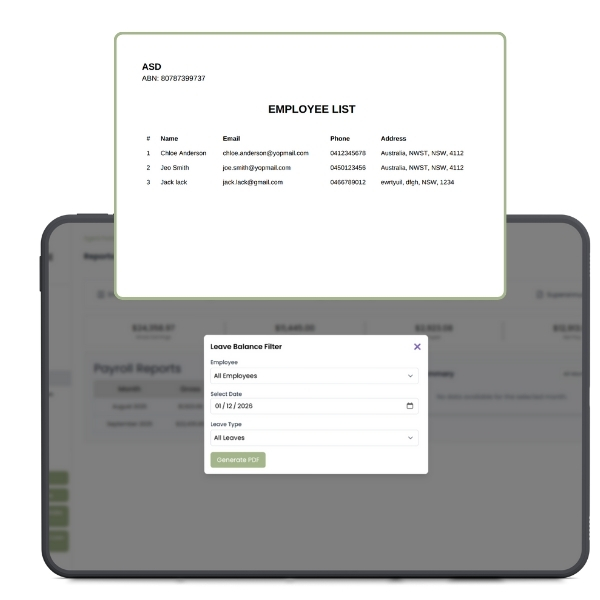
Generate detailed payroll reports for compliance reviews, workforce planning, and governance oversight.

Manage payroll securely from head office or regional sites.

Configure wage classifications, overtime rules, and negotiated agreements accurately.

Import roster data, track extended shifts, and process overtime with correct multipliers.

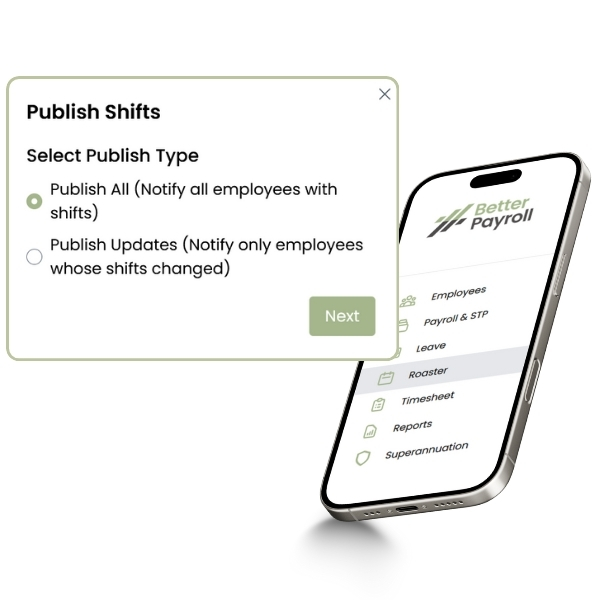
Align job schedules with payroll to reduce discrepancies.

Manage payroll securely from head office or regional sites.

Automate tax calculations and payroll processing to reduce manual risk.

Automate tax calculations and payroll processing to reduce manual risk.

These features allow mining businesses to manage complex industrial payroll without increasing manual processing.

How Mining Businesses Run Payroll with Better Payroll

Mining payroll requires a repeatable and structured workflow aligned with rosters and enterprise agreements.

Step 1: Configure Workforce Structure

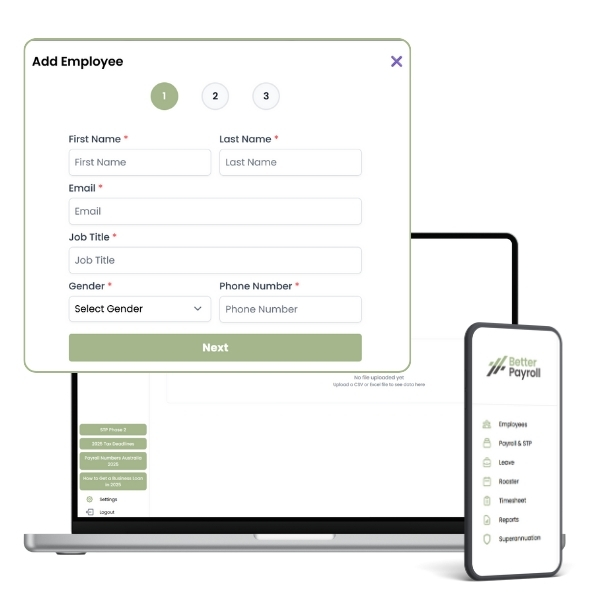
Set up employee classifications, EBA terms, FIFO cycles (e.g., 2:1 or 3:1), pay rates, allowances, and superannuation settings.

Step 2: Capture Roster & Payroll Data

Import timesheets or shift data, validate overtime thresholds, confirm site allowances, and review payroll inputs.

Step 3: Process Pay Runs & Submit STP

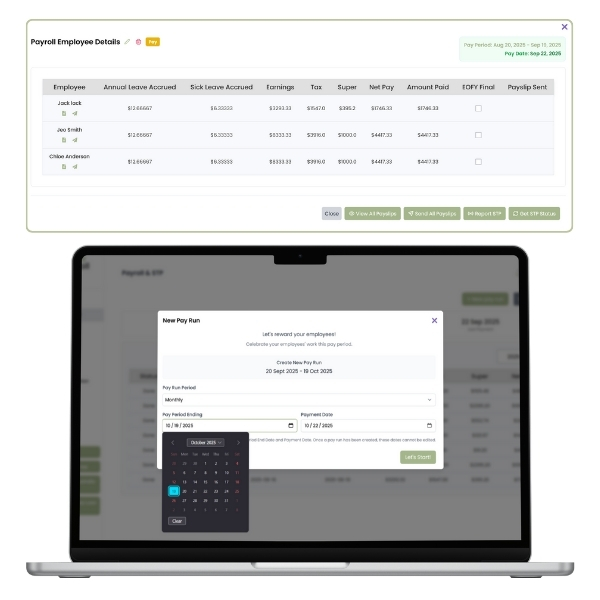
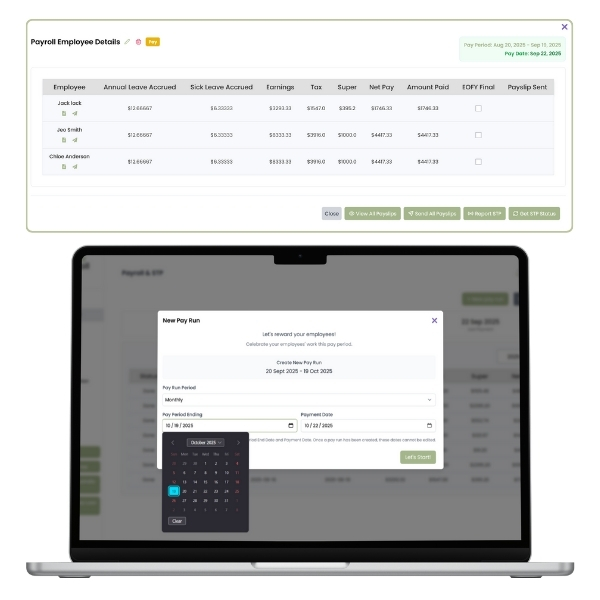
Generate compliant payslips, calculate PAYG withholding, process super contributions, and submit STP data securely to the ATO.

This structured system ensures payroll consistency across remote, multi-site operations.

Affordable Payroll Software Plans

No hidden fees. Choose from affordable plans that scale as your business grows.

Monthly

$3.50

/monthly per employee*
Yearly

$2.50

/monthly per employee**

✅ 1 month free trial   *Minimum Spend $14 per month   **Minimum spend $10 per month based on 4 employees if paid yearly.

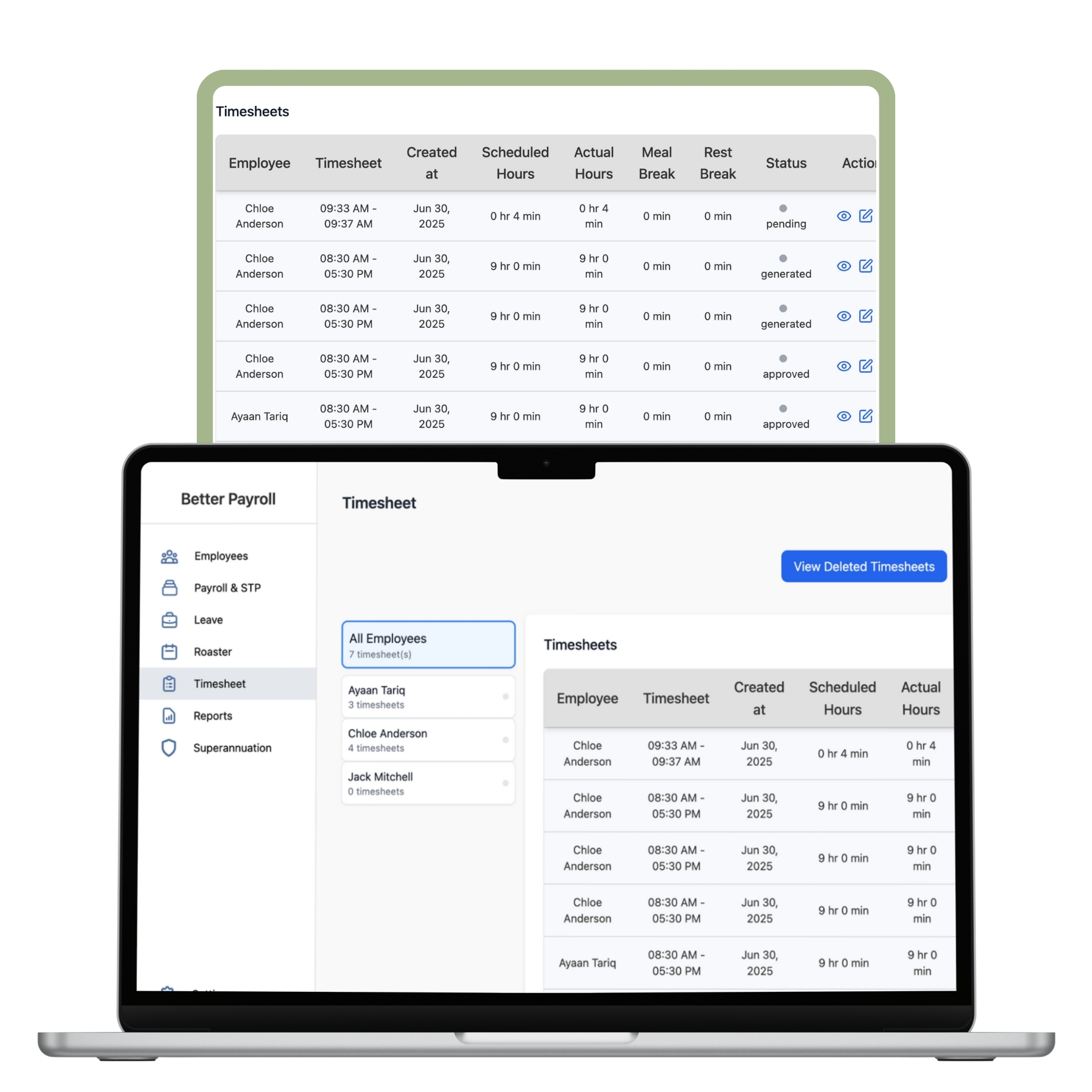
Timesheet management for all devices | BetterPayroll

Why Mining Businesses Choose Better Payroll

Mining operators across Australia choose Better Payroll because it supports industrial compliance and workforce scale:

  • Designed for FIFO and shift-based payroll environments

  • Accurate EBA and allowance calculations

  • Structured payroll records supporting audit readiness

  • Reduced payroll risk through automation

  • STP Phase 2 compliance support each pay cycle

  • Integration with Xero and MYOB for financial alignment

Better Payroll delivers operational reliability in complex, high-risk environments.

What Our Customers Are Saying

FIFO payroll used to take hours to check. Between site allowances and rotating rosters, it was easy to miss something. Now it’s consistent each cycle.

WA

Operations Supervisor

We operate under a detailed EBA, so payroll has to be exact. Since implementing Better Payroll, we’ve reduced manual corrections significantly.

QLD

HR Manager

Managing payroll across multiple sites was getting risky. The system gives us better visibility and keeps our reporting compliant.

NSW

Finance Lead

FAQ about Payroll Software for Mining in Australia

Better Payroll offers a 30-day free trial so mining businesses can evaluate payroll features before subscribing. You can cancel before billing begins.

FIFO payroll involves configuring roster cycles, calculating overtime, applying allowances, processing pay runs, generating payslips, and submitting STP data.

Yes. Payroll systems can be configured to align with negotiated EBAs, including wage classifications and allowances.

Yes. Employers must submit payroll data to the ATO through STP Phase 2 each pay cycle.

Allowances are processed within payroll using configured rules based on EBA or award requirements.

Yes. Structured payroll systems centralise data while supporting multiple locations and workforce segments.

Yes. Scalable payroll systems support high employee volumes without increasing manual complexity.

Improved compliance, accurate shift calculations, reduced administrative risk, and centralised payroll reporting.